
We verified all 46 apartment projects. Here is what is really being built.
Permit headlines and marketing materials only tell part of the story. We cross-checked every multifamily project in the Treasure Valley pipeline to see what is actually underway, what is stalled, and where supply is likely to land.
Read the full issue on Kit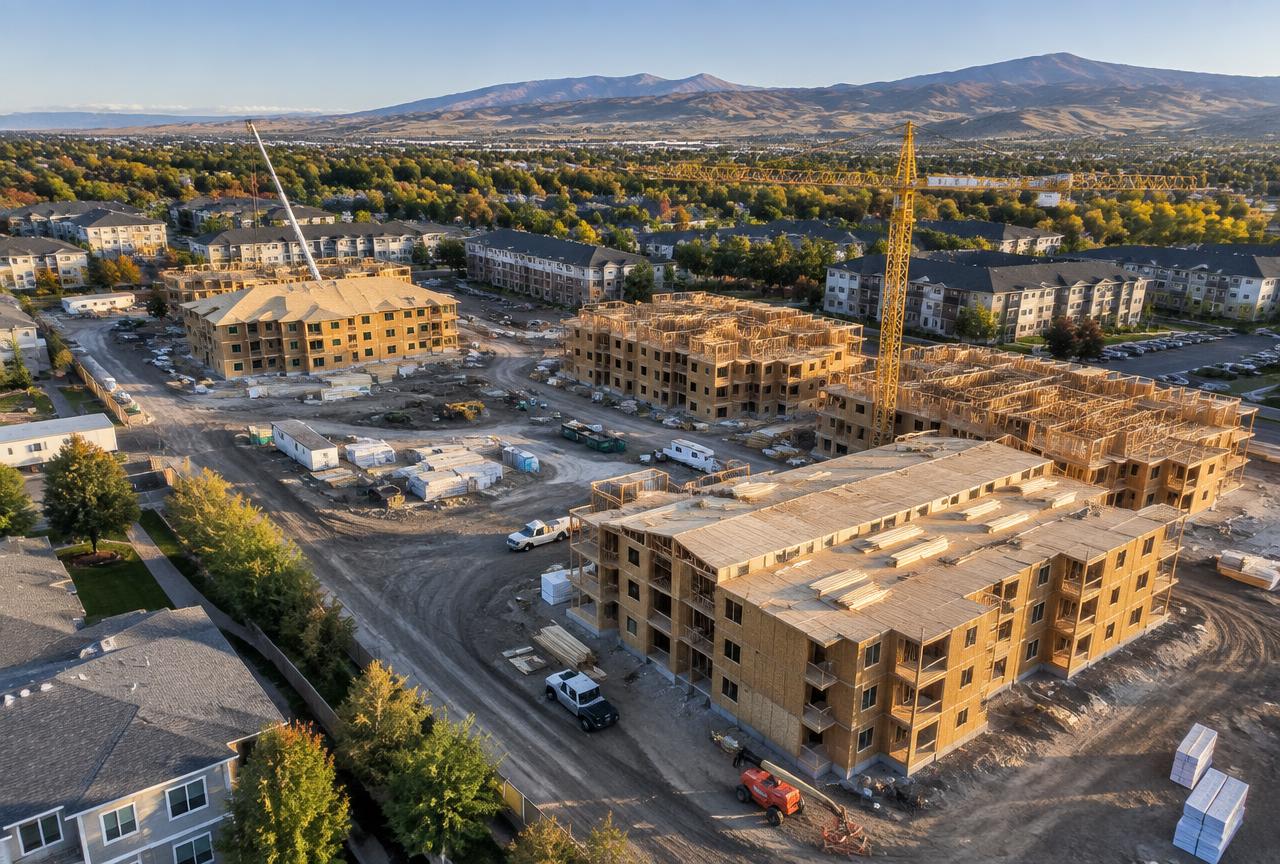
The headlines say one thing about multifamily supply. The permits, site visits, and leasing timelines say another. We spent the last quarter verifying every apartment project we could identify in the Treasure Valley pipeline — 46 in total — to separate marketing from dirt-in-the-ground progress.
What we found is that the pipeline is not evenly distributed. Some submarkets have several projects in overlapping lease-up windows; others have nothing new breaking ground for years.
What verified means
We cross-checked city permits, builder websites, site signage, and direct conversations with brokers and contractors. A project counts as active only if we could confirm construction is underway or financing is fully committed. Proposed, entitled, or rumored projects were counted separately.
Where the supply is landing
Most active units are concentrated in a handful of submarkets. That matters because localized supply can move concessions and lease-up timelines even when regional numbers look balanced. For owners, the question is not how many units are coming to the valley; it is how many are coming to your submarket in your lease-expiration window.
What this means for owners
Use the verified pipeline to time lease expirations, renewal increases, and capital plans. A cluster of deliveries twelve months out should inform your pricing strategy today. A submarket with no new supply may give you more pricing power than the regional average suggests.
Key takeaways
- Marketing announcements do not equal delivered supply
- New supply is concentrated in a handful of submarkets
- Lease timing should reflect local delivery windows, not regional headlines