
Boise Multifamily Permits Fall Nearly 50%—What It Means for Investors
Multifamily development is slowing as construction costs, interest rates, and financing constraints reshape the pipeline. Here is what reduced supply could mean for existing apartment owners.
Read the full issue on Kit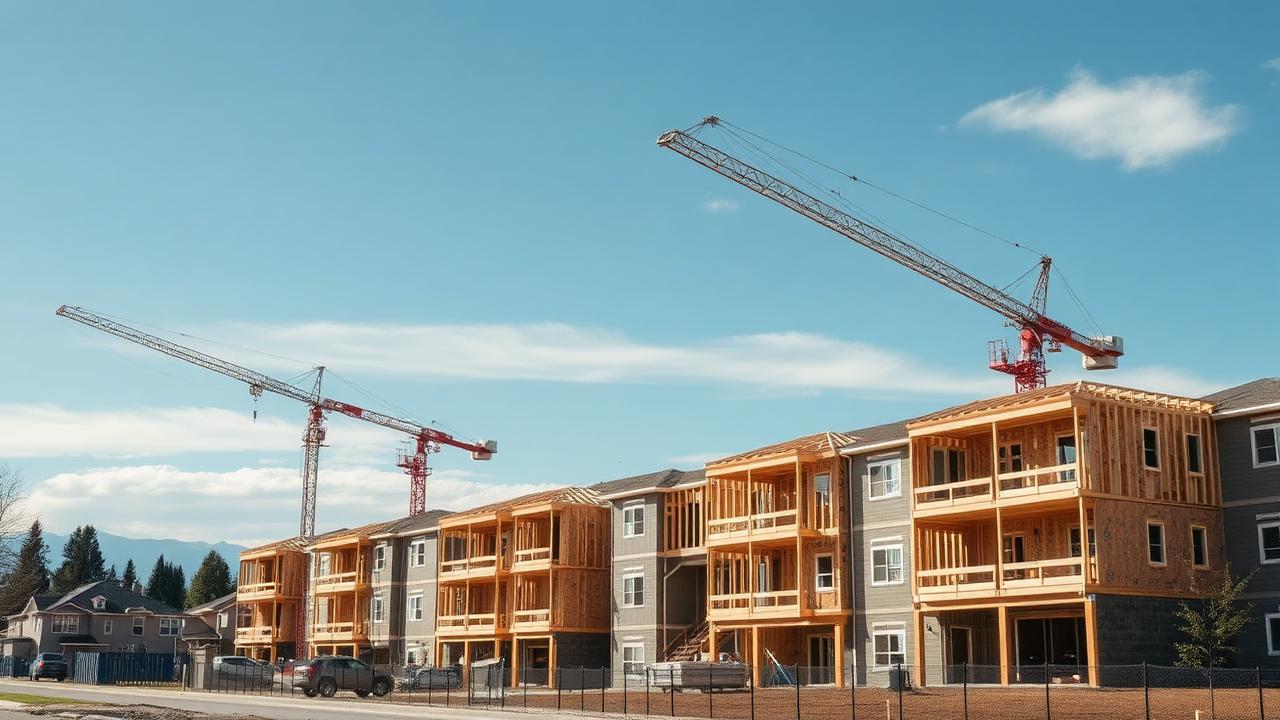
Permit activity is a leading indicator with a long fuse. What gets permitted today delivers eighteen to thirty months from now, which means a slowdown in permitting is really a forecast about supply two to three years out.
Construction costs, debt pricing, and tighter equity have all pushed marginal projects off the board. Deals that penciled at a different cost of capital simply do not pencil now.
The near-term picture is still absorption
Projects already under construction still have to lease. In the short run that keeps concessions in play in the submarkets where deliveries are clustered, even while the longer-term pipeline thins out.
Owners should plan for two different environments back to back: a competitive lease-up window now, and a tighter supply picture on the other side of it.
How we would position an asset
Protect occupancy through the delivery window without permanently repricing the asset. Term structure, renewal timing, and targeted unit improvements do more for long-run NOI than broad rent cuts.
Stagger lease expirations so the portfolio is not renewing into the softest month of the year, and keep turn times short — vacancy loss during a competitive window is the most expensive line item on the statement.
Key takeaways
- Permit declines signal supply relief two to three years out, not today
- Near-term competition comes from projects already under construction
- Defend occupancy with term and turn discipline rather than blanket rent cuts